

4
Check availability on Amazon
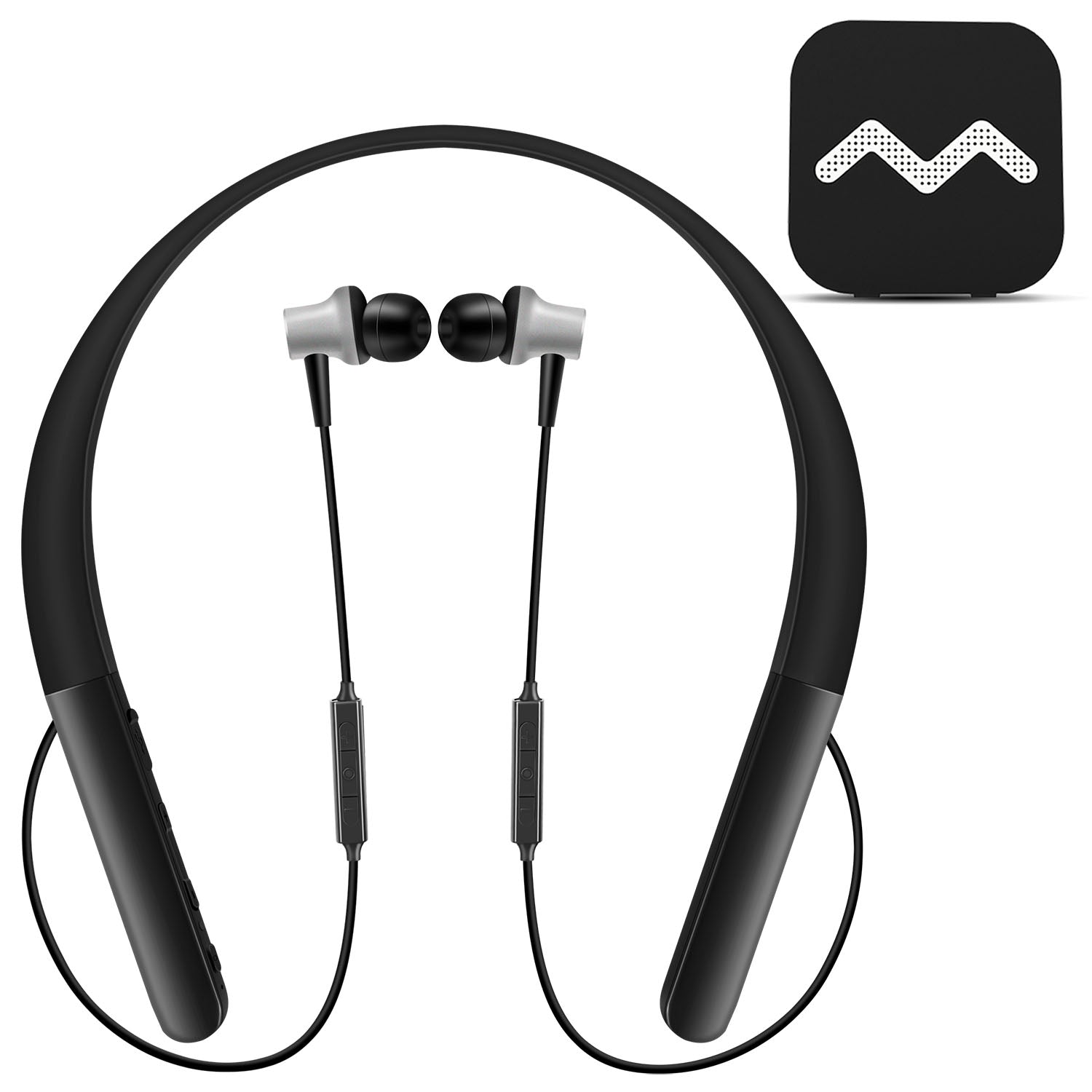
Over-the-counter (OTC) hearing aids are reshaping how people approach hearing support—especially for those who want simpler access, lower upfront cost, and everyday flexibility. The Voilala neckband-style hearing aids sit firmly in this new category, combining amplification, noise management, and Bluetooth calling into a single, wearable system designed for routine use.
Rather than aiming to replace clinic-fitted devices, this format focuses on practical daily listening and easier self-management.
What the Neckband Design Changes
Traditional behind-the-ear aids can be easy to misplace and sometimes uncomfortable for all-day wear. A neckband design shifts weight off the ears and keeps the electronics secured around the neck.
In everyday use, that means:
- Less worry about dropping or losing the aids
- Easier on/off during conversations or calls
- More stability during walking or light activity
For many seniors, these small usability gains matter more than compactness alone.
Sound Processing & Noise Reduction (What to Expect)
Voilala advertises multi-channel sound processing with background noise reduction. In practical terms, this is about clarity over loudness—helping speech stand out in common environments like living rooms, family gatherings, or small social settings.
It’s best understood as:
- Support for mild to moderate listening challenges in daily life
- Reduced fatigue compared with simple amplifiers
- Not a substitute for professional audiology tuning in complex hearing loss cases
As with most OTC devices, results depend heavily on correct setup and expectations.
App Control: Self-Adjustment Without Clinic Visits
One of the biggest shifts in OTC hearing care is user control. With the companion app, users can:
- Adjust volume and frequency balance
- Switch listening modes for different environments
- Monitor battery levels and usage
This level of control can be empowering for users who prefer to make gradual adjustments over time rather than relying on appointments.
Scene Modes for Everyday Environments
Multiple listening modes are designed to match common situations:
- Quiet conversations at home
- Social spaces with moderate background noise
- Outdoor or variable environments
These modes don’t eliminate noise entirely—but they help prioritize speech clarity, which is usually the main goal for day-to-day communication.
Battery Life & Charging Practicality
Rechargeable hearing aids reduce ongoing costs and daily friction. Here, a relatively short charge time paired with extended standby capacity supports:
- A full day of typical use
- Fewer interruptions for charging
- Simpler routines for users who don’t want disposable batteries
For many seniors, predictability matters as much as raw battery numbers.
Bluetooth Calling (iOS-Only): Convenience With Limits
Bluetooth functionality allows these hearing aids to double as call-handling devices for iOS users. That can be especially useful for:
- Phone conversations without holding the phone
- Clearer calls in quieter settings
- Reducing device switching during the day
It’s important to note the platform limitation—Bluetooth streaming is designed for iOS devices only, which may be a deciding factor for some buyers.
Who This Type of Hearing Aid Fits Best
A good fit if you:
- Want OTC hearing support without clinic visits
- Prefer a secure, neckband-style design
- Value app-based adjustments
- Use an iPhone and want call integration
Less ideal if you:
- Require fully custom-fitted, prescription hearing aids
- Need advanced tuning for complex hearing loss
- Use Android devices for Bluetooth streaming
OTC Hearing Aids vs Prescription Models (Context)
| Aspect | OTC Hearing Aids | Prescription Hearing Aids |
|---|---|---|
| Access | Immediate | Audiology visit required |
| Cost | Lower upfront | Higher |
| Custom fitting | Limited | Professional |
| App control | Common | Varies |
| Medical oversight | Minimal | Full |
Understanding this difference helps set realistic expectations.
Final Perspective
Voilala’s neckband OTC hearing aids are designed around accessibility and daily convenience, not clinical replacement. Their value lies in simplifying hearing support for users who want control, rechargeability, and Bluetooth calling without the complexity of traditional hearing-aid pathways.
For seniors exploring OTC options as a first step—or as a flexible everyday solution—this approach aligns with how modern hearing care is evolving.
Disclosures & Notices
Affiliate Disclosure: As an Amazon Associate, I earn from qualifying purchases.
AI Image Disclaimer: Images may be AI-enhanced for clarity or illustrative purposes.
AI Content Disclaimer: This article was created with AI assistance and reviewed for neutrality and accuracy.
Health Disclaimer: This content is informational only and not a substitute for professional medical advice. Consult a licensed hearing professional for diagnosis or treatment decisions.