Weatherproof winter shelter with elevated base for feral & stray cats

4
Check availability on Amazon
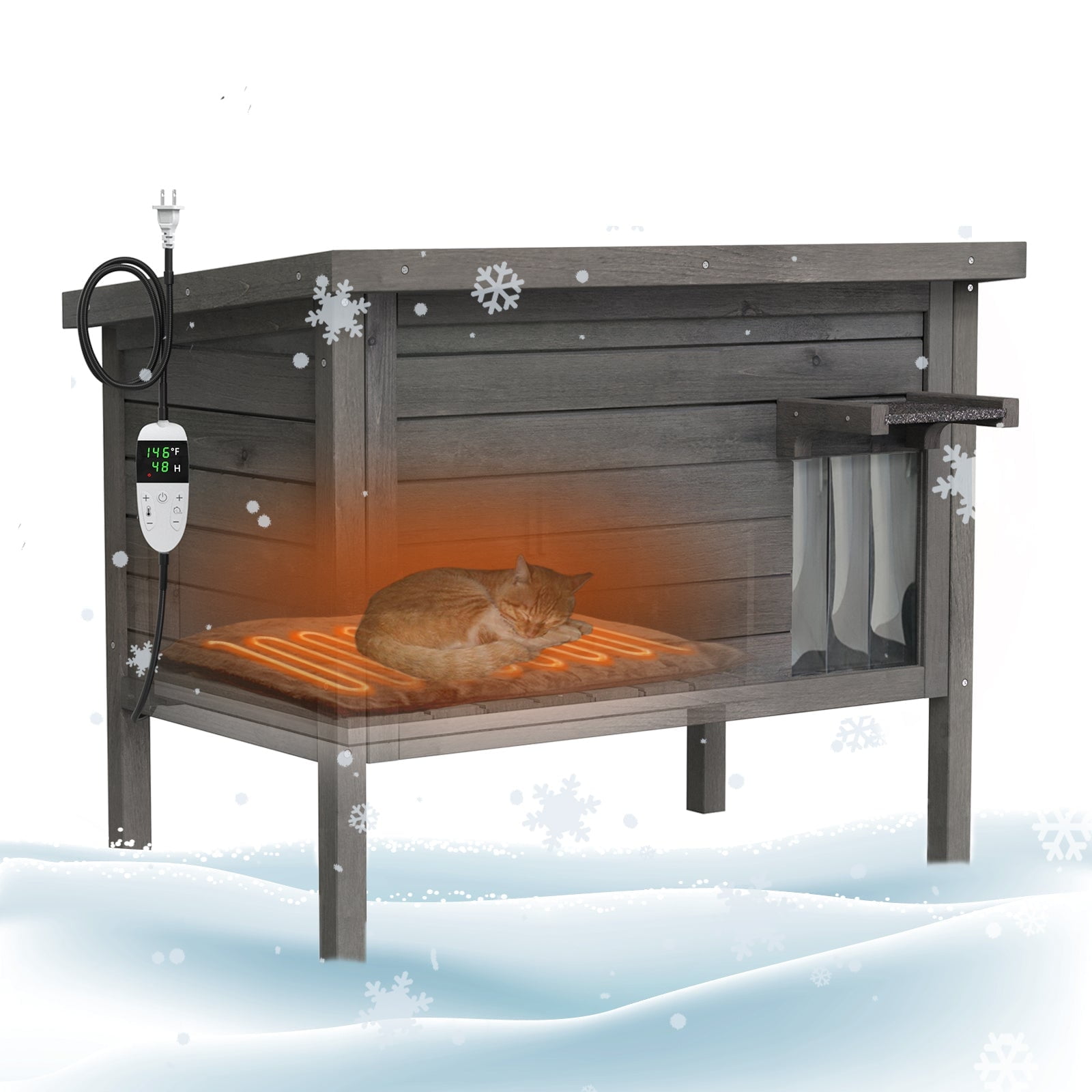
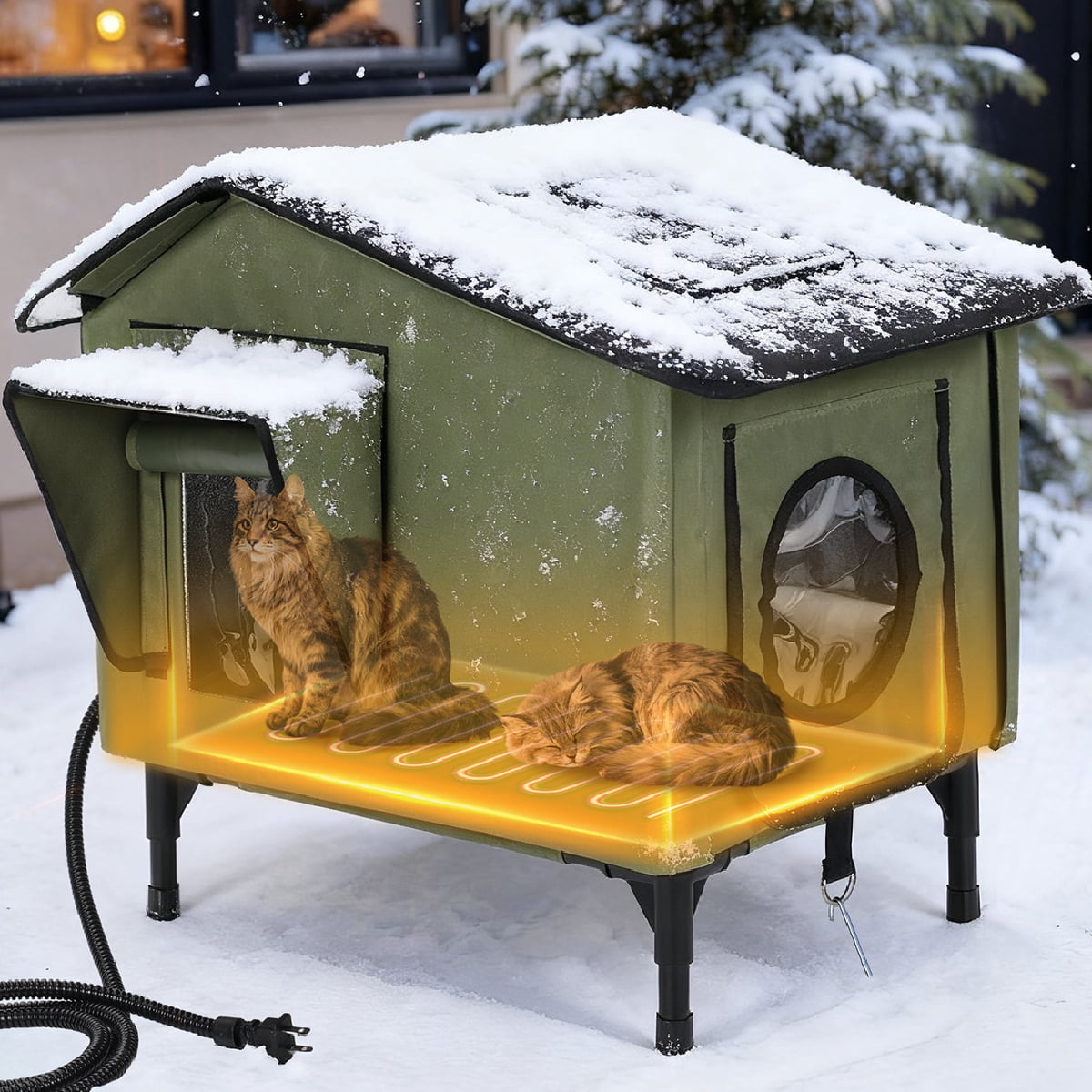
Providing warmth for outdoor or feral cats isn’t just about comfort—it’s about survival, safety, and responsible care during harsh weather. A heated outdoor cat house like this one from TENDWARE is designed to solve the real problems that ordinary shelters often fail at: moisture intrusion, wind exposure, predators, and unstable temperatures.
Below is a practical, non-salesy breakdown of how this shelter actually performs and who it’s best suited for.
Why Heated Outdoor Shelters Matter
Outdoor cats—especially feral or semi-feral—lose body heat rapidly in winter. Unlike indoor pets, they can’t rely on blankets, walls, or heating systems.
A proper heated shelter helps:
- Prevent hypothermia during freezing nights
- Reduce stress and illness caused by cold + damp conditions
- Encourage cats to return to a safe, predictable location
- Support humane care programs (TNR, rescue feeding stations)
This model is designed specifically with those realities in mind.
Temperature Range: Designed for Cats, Not Humans
The internal heating range is 35–45°C (95–113°F), which may sound warm—but cats perceive temperature differently than people.
Important context:
- Cats naturally maintain higher core body temperatures
- The heat is ambient and distributed, not direct-contact scorching
- Proper ventilation prevents overheating
This range helps cats conserve energy without forcing them to shiver or burn calories just to stay warm.
Safety-First Design: Exits, Doors & Stability
One of the biggest concerns with outdoor shelters is predator safety.
This shelter includes:
- Two exits so cats can escape from different directions
- A magnetic door that allows easy exit but blocks wind
- A clear peep window so cats can visually assess surroundings
For windy or exposed locations, side anchor holes + included nails help prevent tipping or sliding.
Moisture Control: The Real Differentiator
Cold alone isn’t the biggest enemy—moisture is.
This house uses layered materials:
- 900D waterproof Oxford fabric (outer shell)
- PP board + pearl cotton insulation
- Aluminum film for thermal retention
Key advantages:
- Stitched seams (not Velcro) reduce water seepage
- Elevated base prevents ground moisture wicking upward
- Waterproof cord outlet avoids leaks where power enters
This is a major upgrade over soft shelters that collapse or soak after one storm.
Roof & Visual Design: Made for Real Cat Behavior
The triangular waterproof roof:
- Sheds rain and snow effectively
- Adds headroom without increasing footprint
- Opens easily for cleaning or inspection
The blue-edged eaves aren’t decorative—cats see blue and green more clearly than other colors, which helps attract cautious feral cats who may avoid unfamiliar shelters.
Sizes & Placement Considerations
Available in multiple sizes, making it suitable for:
- Single cats (smaller size)
- Larger cats or shared shelters (larger sizes)
Works well in:
- Garages
- Covered porches
- Yards under eaves
- Feeding station zones
For storm-heavy regions, placing it under partial cover is recommended.
Assembly & Portability
No tools required. Assembly is straightforward:
- Fold and secure panels
- Insert insulated base
- Connect power safely
Lightweight enough to relocate seasonally, but sturdy enough to stay put once anchored.
Who This Shelter Is Best For
Recommended if you:
- Care for feral or stray cats outdoors
- Live in cold, wet, or windy climates
- Want a durable, reusable winter solution
- Support humane rescue or TNR programs
May not be ideal if you:
- Need a completely off-grid (non-electric) shelter
- Have extremely large colonies requiring multi-cat huts
Bottom Line
This heated outdoor cat house isn’t about aesthetics—it’s about practical, humane protection. The elevated base, stitched waterproof construction, dual exits, and cat-aware design details make it a strong option for anyone serious about outdoor cat care during winter.
If you’re already feeding outdoor cats, adding a proper heated shelter is one of the most impactful upgrades you can make.
Disclosures & Notices
Affiliate Disclosure: As an Amazon Associate, I earn from qualifying purchases.
AI Image Disclaimer: Images may be AI-enhanced for visual clarity.
AI Content Disclaimer: This article was created with AI assistance and reviewed for accuracy.
Pet Safety Notice: Always ensure cords are protected and shelters are placed away from flooding or extreme exposure.