A thoughtful look at nostalgia-driven desk tech, usability, and why retro design still works in modern spaces

4
Check availability on Amazon
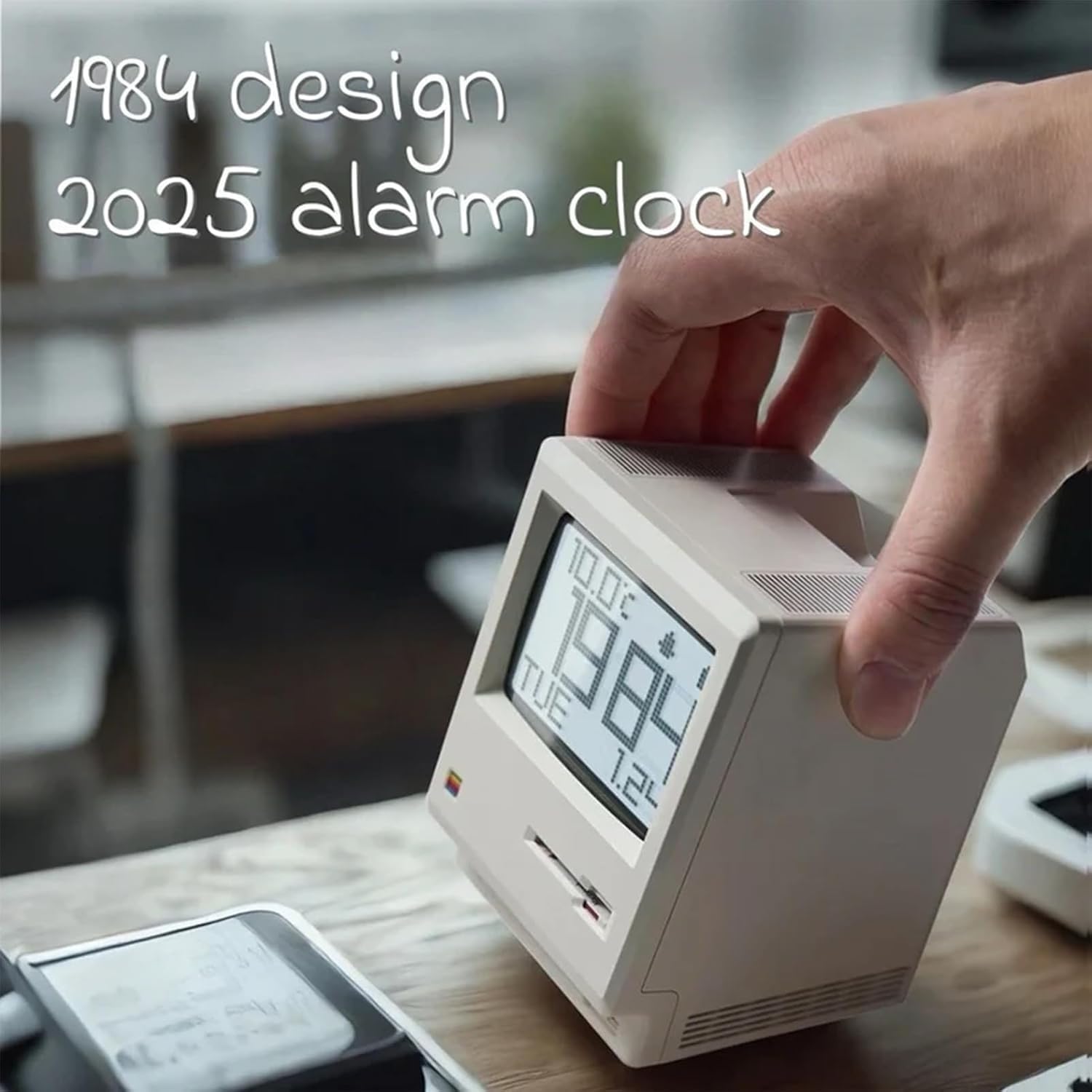
Retro-inspired desk gadgets often lean too hard into looks and forget usability—or they’re functional but miss the emotional pull that makes retro design appealing in the first place. This pixel-style alarm clock takes a more balanced approach: it uses familiar modern clock functions, wrapped in a form factor that intentionally echoes early personal computers from the 1980s.
Below is a grounded, non-hype breakdown of what this kind of desk clock actually adds to a space.
Why Retro Computer Design Still Resonates
The early personal computer era represents:
- Simplicity over distraction
- Physical interaction (dials, switches, feedback)
- A clear separation between function and noise
A clock designed like a miniature 1984 desktop computer taps into that mindset. It’s not about pretending to be vintage—it’s about slowing down interaction in a world full of glowing, attention-demanding screens.
Pixel Displays: More Than a Style Choice
Pixel-based displays serve a practical purpose:
- High contrast, easy-to-read digits
- No unnecessary animations during normal use
- Clear visibility from a distance
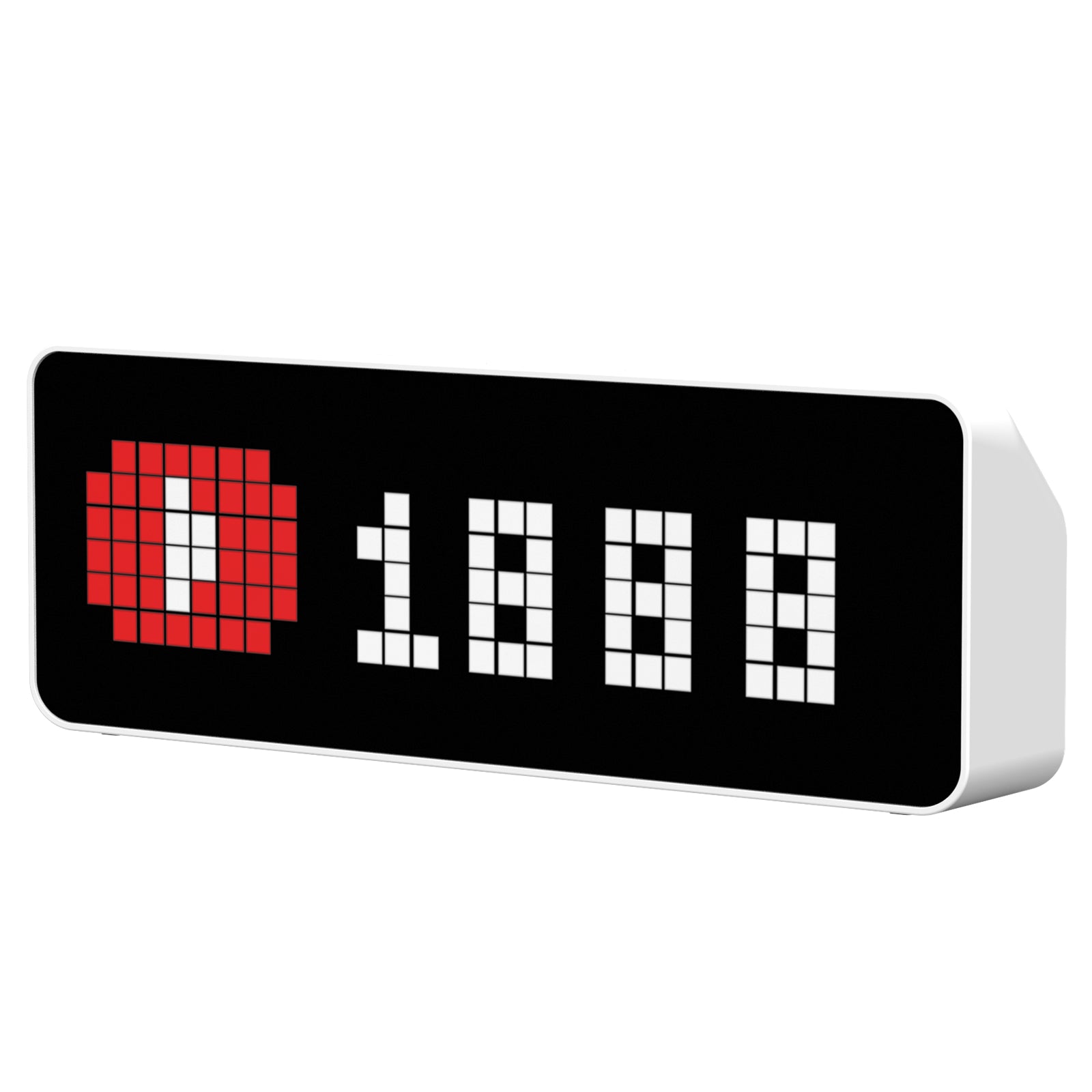
The subtle startup animation (like a smiley pixel boot sequence) adds character without becoming distracting, which is important for bedroom or workspaces.
Multi-Information Display Without Clutter
Unlike many smart clocks that rotate information endlessly, this clock:
- Shows time, date, calendar, and temperature together
- Avoids menus and nested settings
- Keeps the display readable at a glance
This makes it suitable for:
- Home offices
- Minimalist desks
- Nightstands where simplicity matters
Adjustable Brightness: A Real Sleep Feature
Brightness control isn’t cosmetic—it affects sleep quality.
The ability to:
- Dim the display at night
- Use warmer backlighting
- Adjust manually instead of auto-guessing
Helps prevent light fatigue and nighttime disruption. This matters especially if the clock is used in bedrooms or shared spaces.
Alarm Flexibility Without App Dependence
Multiple alarm modes (one-time, weekdays, weekends, daily) solve a common issue: changing schedules.
Because alarms are set physically:
- No app pairing
- No Bluetooth dependency
- No notifications or firmware quirks
It behaves like a clock should—predictable and stable.
Temperature Reading: A Small but Thoughtful Detail
The temperature pause when the backlight is active might seem odd at first, but it reflects a real engineering issue: internal heat from lighting can distort readings.
Pausing updates avoids false temperature data. This shows the product is designed with accuracy over convenience, which is rare in novelty-style gadgets.
Desk Presence & Aesthetic Use Cases
This clock works best for:
- Retro tech enthusiasts
- Creative professionals
- Gamers with minimalist setups
- People who enjoy tactile desk accessories
It’s more “conversation piece” than smart home device—and that’s the point.
Retro Desk Clock vs Smart Clock
| Feature | Retro Pixel Clock | Smart Clock |
|---|---|---|
| Internet required | ❌ No | ✔ Yes |
| App dependency | ❌ No | ✔ Yes |
| Visual distraction | Low | Medium–High |
| Setup complexity | Very low | Medium |
| Longevity | High | Tied to software support |
This type of clock prioritizes longevity and independence over ecosystem features.
Who This Clock Is (and Isn’t) For
Good fit if you:
- Prefer physical controls
- Like retro or minimalist design
- Want a stable, offline desk clock
- Avoid app-driven devices
Not ideal if you:
- Want voice assistants
- Need smart home integration
- Prefer large, dynamic displays
Final Takeaway
The Dralaw Maclock-style pixel alarm clock succeeds because it doesn’t try to do too much. It focuses on timekeeping, readability, and atmosphere, wrapped in a nostalgic design that feels intentional rather than gimmicky.
For desks, bedrooms, or creative spaces where calm and character matter more than connectivity, this kind of clock makes sense—not as a smart device, but as a designed object with purpose.
Disclosures & Notices
Affiliate Disclosure: As an Amazon Associate, I earn from qualifying purchases.
AI Image Disclaimer: Images may be AI-enhanced for illustrative clarity.
AI Content Disclaimer: This article was created with AI assistance and reviewed for neutrality and accuracy.
General Use Disclaimer: Features and behavior may vary slightly depending on power source and environment.