

4
Check availability on Amazon
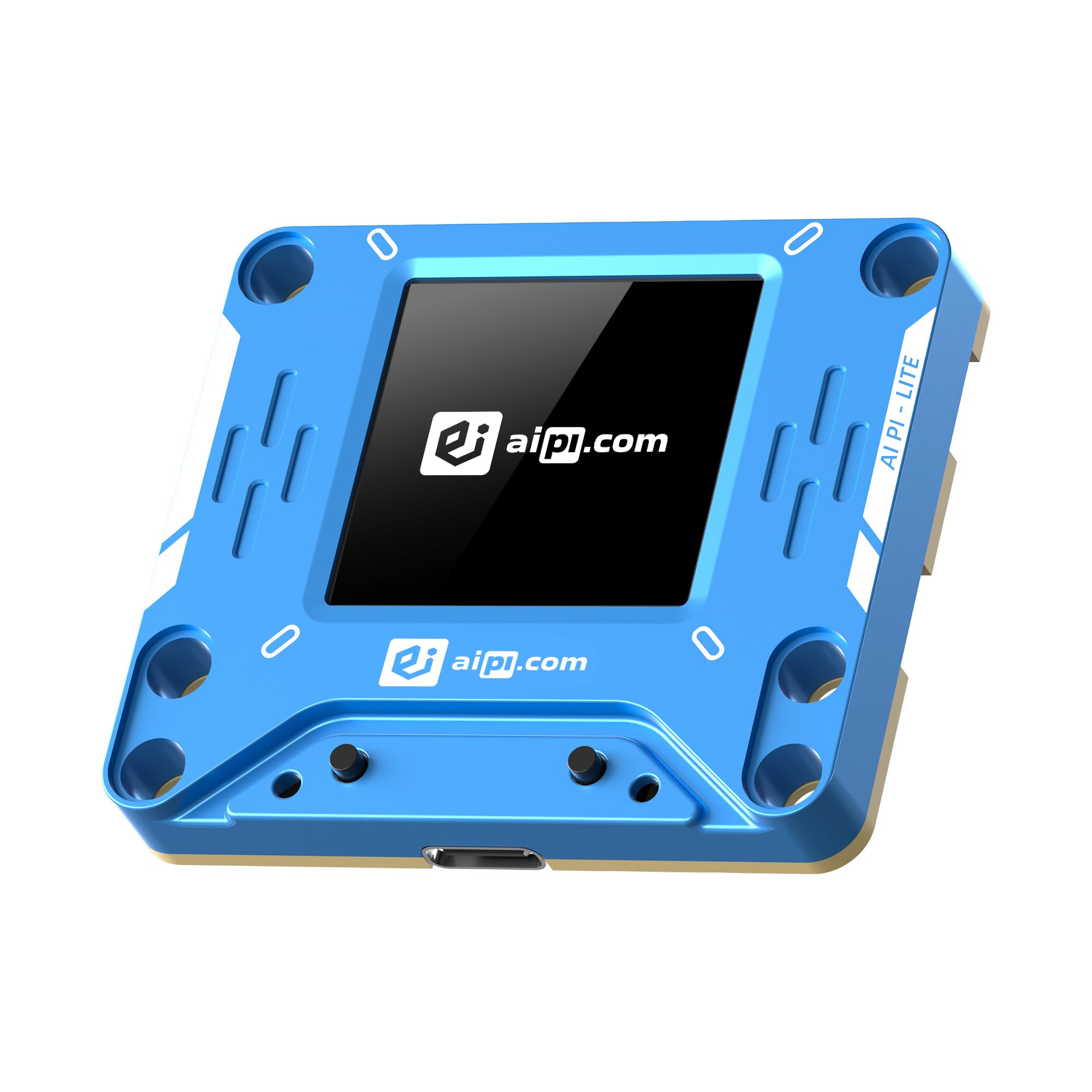
AI companions are moving beyond novelty into a space that mixes conversation, personalization, and physical presence. AIPI-Lite sits squarely in that transition. It isn’t a humanoid robot or a smart speaker replacement; it’s a desk-scale AI object designed to make interaction feel more intentional—through customizable characters, voice styles, and a modular power system that treats uptime as a design feature.
This piece looks at what AIPI-Lite actually offers in daily use, how it differs from app-only AI, and where expectations should be set.
From App to Object: Why Physical AI Feels Different
Most people already talk to AI through phones or laptops. Adding a physical form factor changes behavior in subtle ways:
- Conversations become more deliberate (you engage when you’re near it)
- The device feels more like a companion artifact than a utility
- Interactions are shorter, more frequent, and often more casual
AIPI-Lite leans into that idea: it’s meant to be present on a desk or shelf, not to replace productivity tools or automate a home.
Customizable Characters (No Coding, Real Trade-offs)
The headline feature is text-based character creation. You can define personality, tone, role, and memory behaviors without writing code.
In practice, this means:
- You can create a coach, storyteller, assistant, or fictional persona
- Behavior changes come from prompts and memory rules
- Iteration is quick—adjust, test, refine
The trade-off is depth. Text-configured personalities are flexible, but they’re not a substitute for fully scripted agents or bespoke workflows. The strength here is creative control, not enterprise automation.
Voice Cloning: Immersion With Caveats
Voice cloning adds emotional weight to interactions—especially when paired with a persistent character. AIPI-Lite supports cloning and multiple voice styles, with advanced access tied to a subscription.
What voice cloning is good for:
- Making conversations feel less generic
- Role-play, storytelling, or companionship use cases
- Accessibility for users who prefer spoken interaction
What it’s not:
- A replacement for professional voice work
- Guaranteed emotional accuracy in every context
As with all voice tools, ethical use and consent matter.
Multiple AI Models: Why That Actually Matters
Rather than locking users into one backend, AIPI-Lite allows switching between different AI models (including GPT-4.1 and others). This matters more than it sounds.
Different models excel at:
- Conversational flow
- Factual recall
- Creative writing
- Privacy or latency priorities
Being able to switch lets users match the model to the moment, instead of reshaping their expectations around a single engine.
Memory: Small Device, Big Implications
Persistent memory is what separates a chatbot from a companion. When an AI remembers preferences, names, or past topics, interactions feel cumulative rather than disposable.
AIPI-Lite’s memory system is designed for:
- Character continuity
- Long-term personalization
- Context retention across sessions
This doesn’t mean perfect recall—but it does mean conversations can build rather than reset.
Modular Power: The Hidden Quality-of-Life Feature
The magnetic, snap-on 600mAh battery module seems mundane—until you use it.
Why it matters:
- No cables during interaction
- Quick battery swaps instead of downtime
- Clear separation between “device” and “power”
For a companion device, uninterrupted presence is part of the experience. Modular power supports that better than fixed internal batteries.
Who AIPI-Lite Makes Sense For
Good fit if you:
- Enjoy character-driven AI interaction
- Want a physical AI presence without complexity
- Like experimenting with prompts, personalities, and voices
- Value modular design and quick power swaps
Less ideal if you:
- Need automation, scheduling, or smart-home control
- Expect enterprise-grade reliability
- Prefer invisible, background AI tools only
AI Companion vs Smart Speaker (Context)
| Aspect | AI Companion Device | Smart Speaker |
|---|---|---|
| Focus | Personality & dialogue | Commands & automation |
| Customization | High | Low |
| Physical presence | Intentional | Ambient |
| Model flexibility | Multiple | Typically single |
| Use case | Engagement | Utility |
These categories overlap—but they’re built for different relationships with AI.
Final Perspective
AIPI-Lite isn’t about efficiency. It’s about presence, personality, and play—bringing AI out of the screen and into a tangible form that invites interaction on its own terms. Its strengths show up when users treat it as a creative companion, not a productivity tool.
For people curious about where consumer AI is heading—toward modular, customizable, character-driven experiences—this is a small but telling step in that direction.
Disclosures & Notices
Affiliate Disclosure: As an Amazon Associate, I earn from qualifying purchases.
AI Image Disclaimer: Images may be AI-enhanced for clarity or illustrative purposes.
AI Content Disclaimer: This article was created with AI assistance and reviewed for neutrality and accuracy.
Voice & Privacy Disclaimer: Voice cloning and AI interactions should be used responsibly and in accordance with applicable laws and consent requirements.