A practical guide to modern borescopes: how dual-camera inspection tools actually help, where they save time, and who benefits most

4
Check availability on Amazon
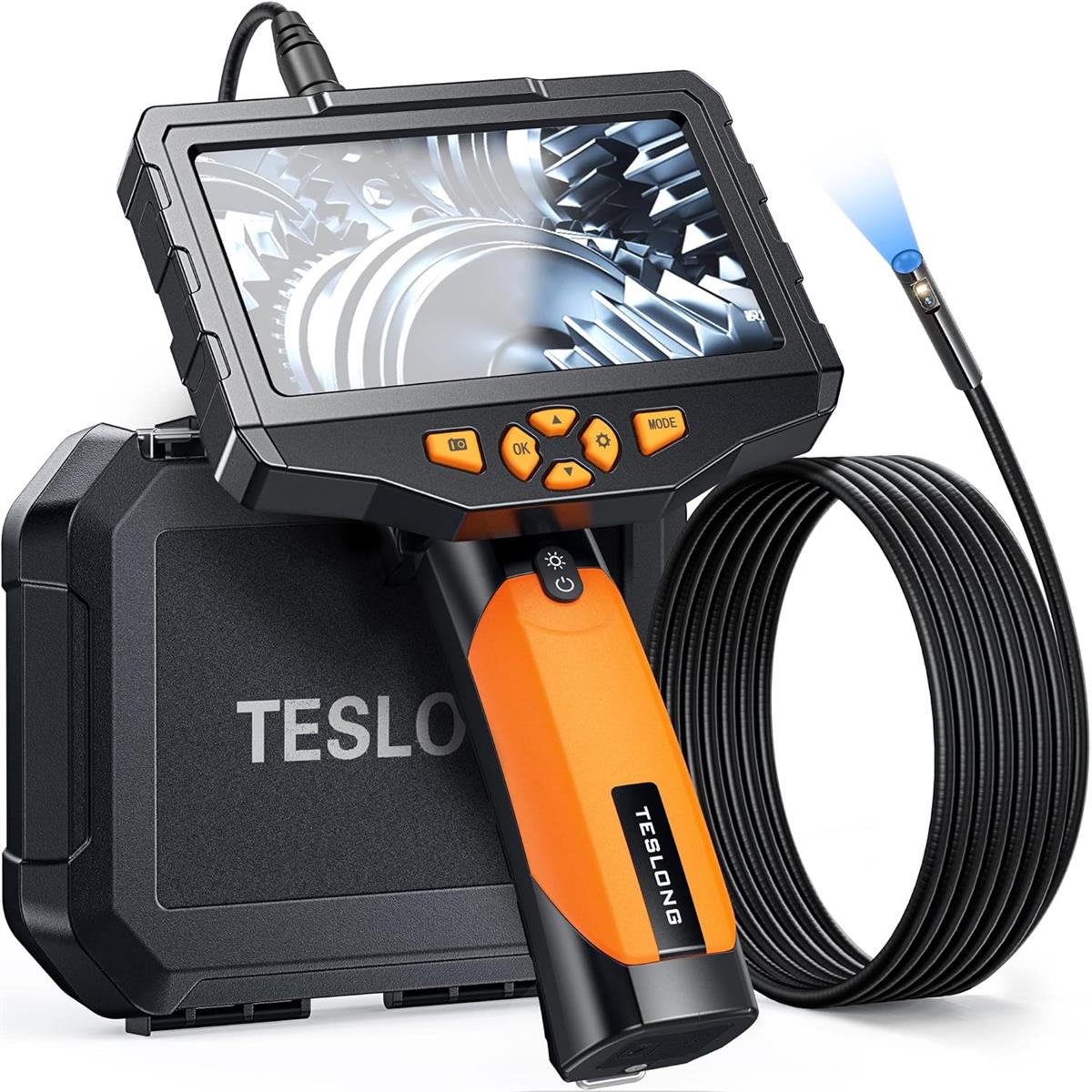
Inspection cameras—often called borescopes or endoscopes—used to be niche tools for mechanics. Today, they’re increasingly common in home maintenance, automotive DIY, HVAC work, and plumbing checks, largely because modern models remove the need for apps, Wi-Fi, or extra screens.
This article explains how a dual-lens, screen-equipped endoscope fits into real-world inspection tasks, what problems it genuinely solves, and what expectations to keep realistic.
Why Dual-Lens Endoscopes Are More Than a Spec Upgrade
Single-lens cameras require you to rotate the cable constantly to see sidewalls or behind components. Dual-lens designs add a second viewing angle—usually front + side/rear—so you can:
- Inspect pipe walls without twisting the cable
- Look around engine components more efficiently
- Navigate ducts and vents with fewer reposition attempts
In practice, this reduces inspection time and frustration, especially in tight or complex spaces.
Built-In Screen vs App-Based Cameras
Many modern borescopes rely on phone apps. Screen-based units trade flexibility for reliability and speed.
Built-in display advantages:
- No Wi-Fi pairing or app crashes
- Works instantly out of the box
- No phone battery drain
- Usable in basements, crawlspaces, and garages with poor signal
A 4.3-inch screen is large enough for clear decision-making without becoming bulky.
Recording What You See (Photos & Video)
Built-in photo/video capture with onboard storage is more useful than it sounds.
Real-world uses include:
- Documenting pipe damage before repairs
- Showing mechanics or contractors exact problem areas
- Comparing “before vs after” maintenance
- Keeping records for insurance or resale
A pre-installed memory card lowers setup friction—important for occasional users.
Lighting Matters More Than Resolution
1080p resolution is helpful, but lighting quality often matters more in enclosed spaces.
Adjustable LED lighting allows you to:
- Avoid glare on reflective metal
- Increase visibility in deep pipes or cavities
- Fine-tune contrast in dusty or wet environments
This is especially important for engine bays and plumbing, where surfaces vary widely.
Semi-Rigid Cable: Control vs Flexibility
Cable design is a major differentiator.
A semi-rigid snake cable:
- Holds its shape when pushed
- Still bends around corners
- Doesn’t collapse like soft cables
This balance is ideal for:
- Wall voids
- Long ducts
- Drain and pipe inspections
- Automotive work where stability matters
Too stiff = hard to route. Too soft = impossible to control. Semi-rigid hits the practical middle.
Waterproofing & Real-World Durability
An IP67 rating means the camera head can:
- Handle wet pipes
- Be submerged briefly
- Operate in humid or dusty areas
This doesn’t mean abuse-proof—but it does support real maintenance work, not just dry inspections.
Common Use Cases (Beyond Marketing)
People typically use this type of endoscope for:
- Checking clogged or damaged drains
- Inspecting engine cylinders and compartments
- Locating lost screws or tools
- Examining HVAC ducts and vents
- Looking behind walls without demolition
It’s less about “cool gadget” and more about avoiding unnecessary teardown.
Dual-Lens vs Single-Lens Endoscope (Quick Comparison)
| Feature | Dual-Lens | Single-Lens |
|---|---|---|
| Viewing angles | Front + side/rear | Front only |
| Cable rotation | Minimal | Frequent |
| Inspection speed | Faster | Slower |
| Learning curve | Low | Medium |
| Cost | Slightly higher | Lower |
For occasional checks, single-lens works. For repeat inspections, dual-lens saves time.
Who This Tool Makes Sense For
Strong fit if you:
- Do DIY home maintenance
- Work on vehicles or small engines
- Inspect pipes, vents, or walls
- Want app-free, reliable operation
Less ideal if you:
- Need professional industrial inspection
- Require ultra-long cable lengths
- Prefer phone-based viewing
Long-Term Value Perspective
Inspection cameras rarely get daily use—but when you need one, nothing else replaces it. The value comes from:
- Avoided labor costs
- Faster diagnosis
- Fewer unnecessary disassemblies
Over time, even occasional use can justify ownership.
Final Takeaway
A dual-lens endoscope with a built-in screen is best understood as a problem-verification tool. It doesn’t fix issues—but it helps you see clearly before acting, which often saves time, money, and effort.
For homeowners, DIYers, and hands-on professionals, that clarity is the real upgrade.
Disclosures & Notices
Affiliate Disclosure: As an Amazon Associate, I earn from qualifying purchases.
AI Image Disclaimer: Images may be AI-enhanced for illustrative clarity.
AI Content Disclaimer: This article was created with AI assistance and reviewed for neutrality and accuracy.
Tool Safety Disclaimer: Always follow manufacturer guidelines and avoid forcing the camera in tight or hazardous spaces.