

4
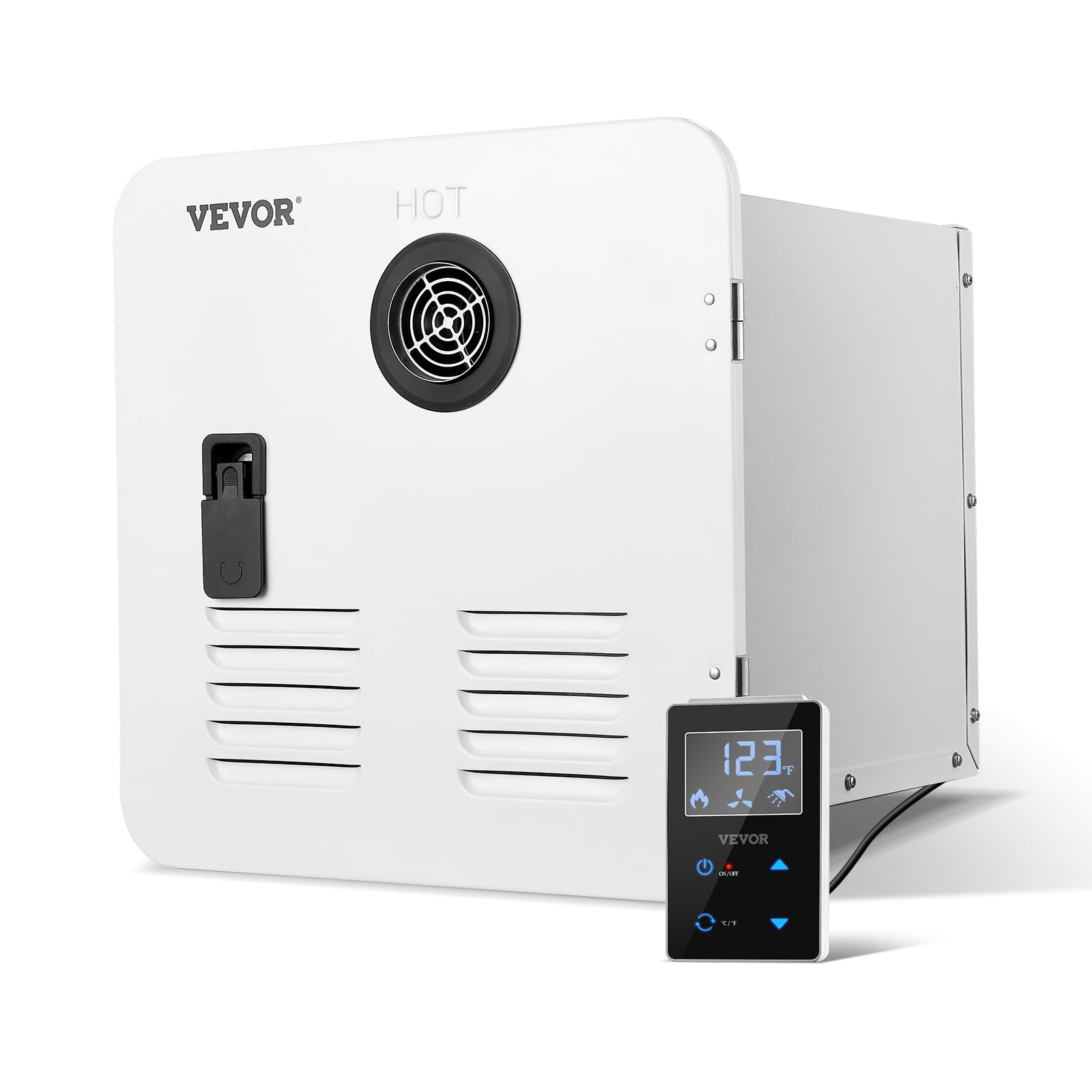
Portable tankless water heaters sit in a very specific niche: they’re not meant to replace a full household system, but they solve a real problem when hot water is needed away from traditional plumbing. The Nessxa propane tankless water heater is designed around that idea—mobility first, with safety and consistency built in.
Instead of focusing only on raw output numbers, it’s more useful to evaluate this kind of product by where it fits and how people realistically use it.
Understanding What “2.11 GPM” Means in Practice
On paper, 2.11 gallons per minute sounds technical, but in real terms:
- Enough flow for a comfortable outdoor shower
- Suitable for RV use, pet washing, or campsite cleanup
- Designed for single-point use, not multiple taps at once
This model is best thought of as instant hot water on demand, rather than “high-volume household supply.” That distinction matters when comparing it to larger 18L or home-installed units.
Heat Output vs. Energy Efficiency
With a rated output of 40,824 BTU, this heater sits in the mid-range for portable propane systems.
What that translates to:
- Water temperature rise from 17°F up to ~113°F
- Stable heating without large propane spikes
- Quieter operation compared to older-style burners
The advertised efficiency gains aren’t about luxury—they’re about reducing fuel waste during intermittent use, which is exactly how campers and RV owners tend to operate these units.
Safety Systems (Why They Matter More Outdoors)
One area where portable heaters can’t afford shortcuts is safety. The Nessxa includes multiple layered protections, which are especially important when the unit is used outside controlled home environments.
Key protections include:
- Overheat protection
- Low water flow protection (prevents dry firing)
- Flame failure detection
- Anti-freezing protection
- High-pressure safety cutoff
In practical terms, this means the heater is far less likely to ignite unless conditions are safe—important when water pressure, temperature, and weather are unpredictable.
Portability & Setup Considerations
This heater is built to be moved, not permanently installed.
Real-world advantages:
- Compact footprint for RV storage
- Lightweight enough for campsite transport
- Digital display for quick temperature checks
- Simple hose and propane hookups
The design favors temporary setups: beach days, off-grid showers, camping trips, or pet cleaning stations. It’s not meant to be bolted into a house or serve multiple bathrooms.
Where This Heater Makes Sense
Good fit for:
- Campers and RV users
- Outdoor showers
- Pet washing setups
- Remote cabins or temporary work sites
- Users who want instant hot water without electrical infrastructure
Not ideal for:
- Whole-house hot water replacement
- Multiple simultaneous users
- Permanent indoor installation without proper ventilation
Understanding these boundaries is key to being satisfied with a tankless propane system.
Comparing Common Sizes (Context Table)
| Size | Flow Rate | Typical Use Case |
|---|---|---|
| 1.6 GPM | Basic | Handwashing, light outdoor use |
| 2.11 GPM | Balanced | Showering, RV, pet washing |
| 4.76 GPM | High | Multi-user, semi-permanent setups |
The 8L / 2.11 GPM configuration sits in the most versatile middle ground.
Final Perspective
The Nessxa tankless propane water heater isn’t about luxury—it’s about solving a specific problem efficiently: delivering hot water where plumbing and electricity aren’t guaranteed.
If you approach it as a portable utility tool rather than a home appliance, its design choices—moderate flow, layered safety systems, and compact build—make practical sense.
Disclosures
Affiliate Disclosure: As an Amazon Associate, I earn from qualifying purchases.
AI Image Disclaimer: Images may be AI-enhanced for clarity or illustrative purposes.
AI Content Disclaimer: This article was created with AI assistance and reviewed for accuracy and clarity.
Safety Disclaimer: Propane appliances must be used with proper ventilation and according to manufacturer instructions.